In the second of our new monthly bulletins from Breaking out of the Justice Loop, we reflect on the insightful discussion from our event earlier this month, Future Generations: Preventing the criminalisation of young women and girls.
- Reflections from the Future Generations event
- Continuing the conversation
- Shared interests
- Save the date
- Spread the word
Reflections from the Future Generations event
Attending the first Breaking Out of the Justice Loop event, Future Generations, was a genuine pleasure, especially participating as part of the National Voice Advisory Panel alongside my peers to ensure that lived experience was central to the discussion.
As the event reflected on the legacy of the Corston Report, two critical blind spots were highlighted; it was not built around lived experience and it minimally addressed young women and girls.
Being part of the Breaking out of the Justice Loop programme to bridge those gaps felt deeply meaningful and I am thrilled that our focus is shifting towards preventative measures that tackle the root causes of criminalisation rather than trying to extinguish the fire once already burning. It was equally refreshing to see the discussions confront topics such as the “cliff edge" when young people transition out of state support and go unnoticed until they enter the justice system.
The energy in the room felt dynamic, honest and transparent about the realities of the climate in which women's services operate particularly the unstable funding for the sector, whilst being optimistic and robust for change, tenacious for a cause we know is crucial to ensure true justice, a cause of which each person in the room felt truly united on.
A personal highlight was hearing my colleague Rhia's presentation which took me away with its honesty, and impact, reinforcing why lived experience must sit at the heart of discussions that are essentially there to protect our future generations.
The event filled me with momentum for my work moving forward, a momentum that means I am committed to championing early intervention, preventative support for young women and girls, and peer led solutions that stop cycles of criminalisation before they start. A world where we see the person rather than labelling them as the problem.
Pavia Ward
National Voice and Advisory Panel (NVAP)
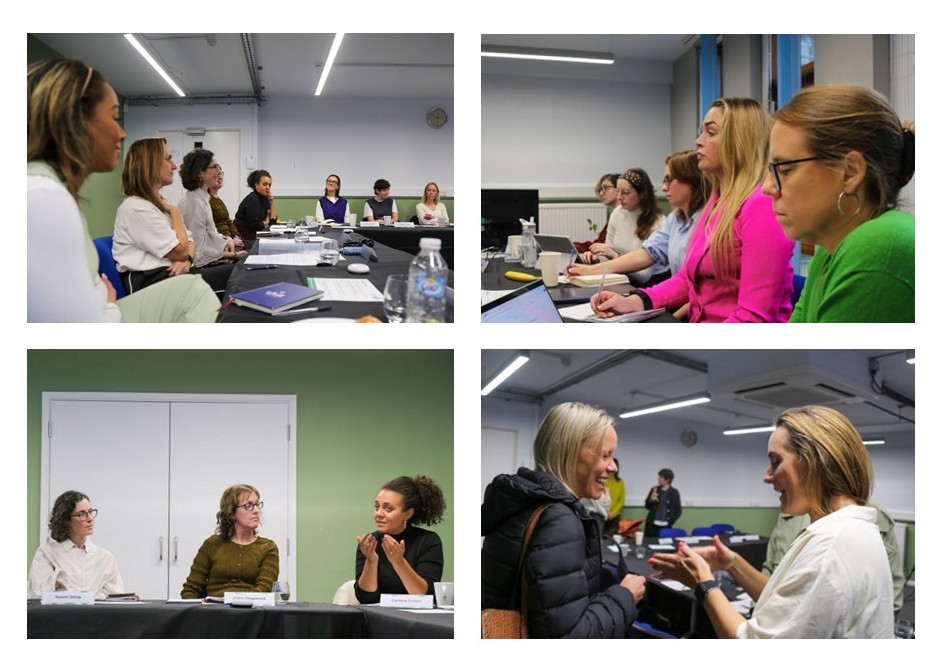
Photo Credit: Annmarie Holland
Continuing the conversation
If you were not able to join the Future Generations event live, you'll soon be able to catch up. We'll be publishing a recording on the event page and will let you know as soon as it is available to view.
As Pavia says above, the event really had a sense of momentum, and the conversation has only just begun. We're working on a short briefing paper that builds on the key themes discussed on the day, which we'll be sharing in early 2027. If you were watching online and feel there's an important point that wasn't raised at the time or, after watching the video, you have a suggestion to add, please do get in touch by responding to this email.
Shared interests
Our event gathered together representatives from a number of organisations who are already working with young women and girls and thinking about addressing systemic gaps and cliff edges. We shared many examples of good practice and fresh initiatives from groups within and beyond the room. We heard, for example, about the newly launched NEST initiative, through which Advance and Together Women are delivering trauma-informed support for girls and young women aged 14–25 in London and Leeds respectively.
In future bulletins, we’ll keep sharing initiatives we come across that resonate with the themes in our programme. We'll also look out for policy and funding updates to keep an eye on. As some reflected at the event this month, some of these should be adapted to better address the specific needs of young women and girls. The recently announced Youth Sector Development Partnership, for example, does not explicitly reference young women and girls in application materials, other than once in an FAQ section on the Equity Impact Assessment.
We keep returning to the central question of our programme: building on all these individual examples of good practice and policy opportunities, what would a shared agenda look like?
That's all our observations for this month, but we'll continue to grow this section of the bulletin.
Save the date
17 March 2027
Our next event will focus on the economic argument for changing the justice system, and the systems around it, so that far fewer women and girls are drawn into it in the first place. We’ll share more details soon but for now, please save the date!
Spread the word
If you know others who would be interested in following this programme, please do forward them this bulletin and encourage them to sign up.
We would like to thank The JABBS Foundation for Women and Girls for supporting this important work.


